Procurement can absorb a price increase. A construction schedule cannot absorb a stalled container.
That’s the reality facing battery energy storage developers right now. The core equipment in every BESS project – the batteries themselves and the containerized units that house them – moves through global supply chains that are increasingly shaped by trade policy. Ongoing federal activity around imported energy components has put both landed cost and delivery timing into question. The cost conversation gets the headlines. But it’s the timing that quietly threatens projects.
Because here’s what a delay at the port actually does: it doesn’t stay at the port. Staging slips. Install cadence breaks. Commissioning backs up. And the commercial operation date: the fixed point your PPA, your financing, and your liquidated-damages exposure are all built around – doesn’t move to accommodate customs. The cost of a trade-policy delay lands far downstream of the customs desk, on the part of the schedule you can least afford to lose.
The trade environment isn’t something a logistics partner can control. But the exposure it creates is something a logistics partner can absorb, if the plan is built for it from the start. Here’s the playbook.
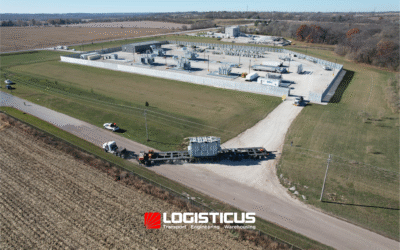
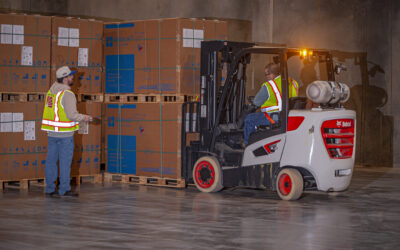
Build buffer with strategic staging. The most effective hedge against an unpredictable arrival is somewhere for components to land, wait, and stage without stopping the schedule. Logisticus operates more than 6.2 million square feet of warehousing across 10 states, positioned to receive components close to where projects are happening. This is warehousing as a service, not real estate: your freight lands on schedule even when the site isn’t ready, and moves to the pad when it is.
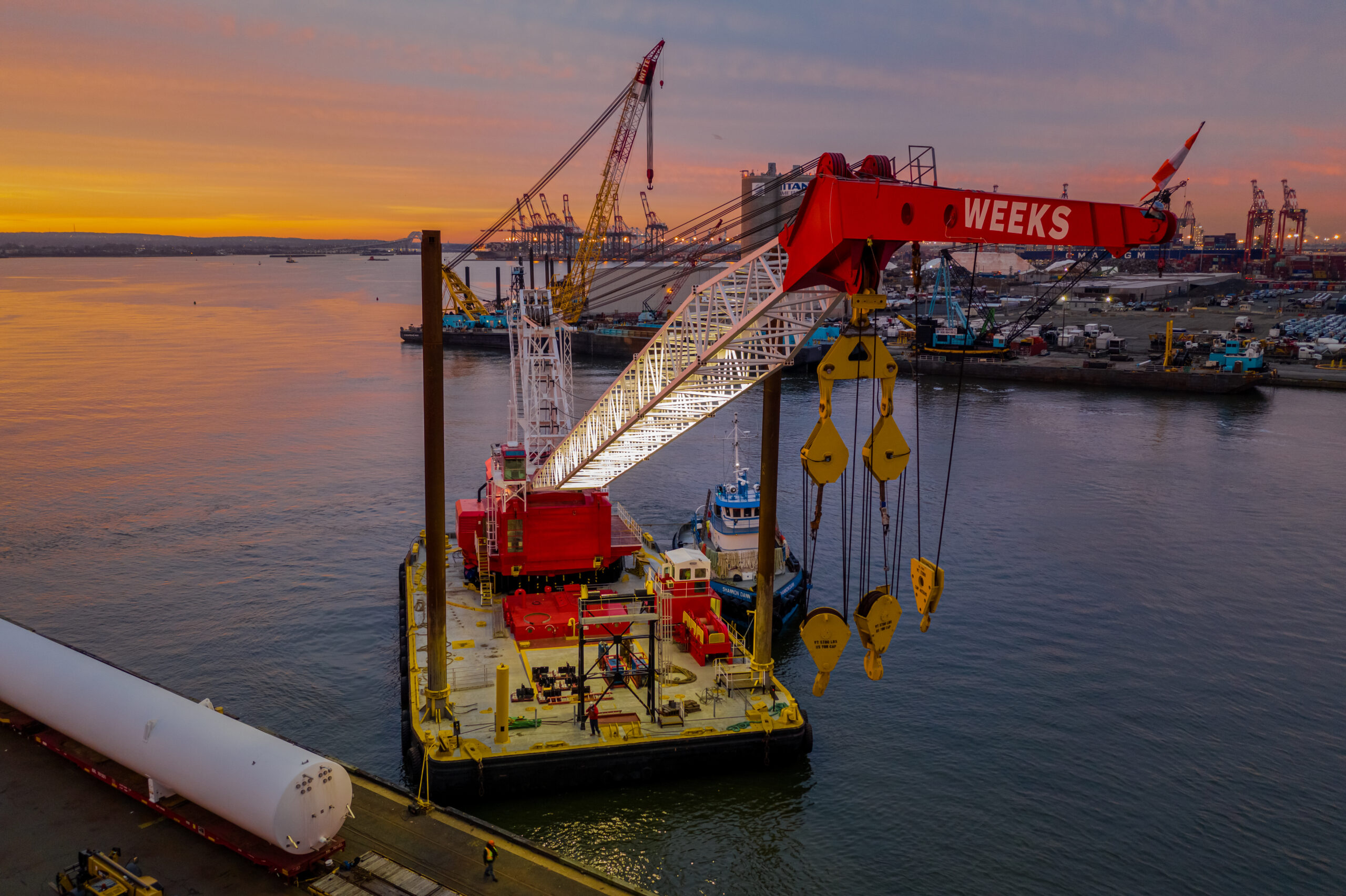
Stay flexible across every mode of transport. When a port congests or a lane jams, the ability to switch modes or reroute is the difference between freight that keeps moving and freight that waits. A partner locked into a single way of moving freight inherits every disruption to it. A partner who can pivot across truck, rail, and barge engineers around it.
Know exactly what’s landed and what’s still exposed. You can’t manage risk you can’t see. Real-time inventory visibility means decisions get made against fact, not guesswork, which components have cleared, which are staged, and which are still in transit. When the environment shifts, you’re already looking at the board instead of scrambling to build one.
Read the environment early. Logisticus’ Government Affairs team tracks the policy landscape so exposure gets anticipated, not discovered. Foresight on permitting and trade developments turns a fire drill into a plan and a plan is something you can execute calmly.
None of this changes what happens in Washington. What it changes is whether what happens in Washington changes your COD.
That’s the line between a freight vendor and a logistics partner. A vendor moves what you hand them. A partner builds a plan resilient enough that a stalled shipment becomes a managed contingency instead of a missed deadline — protecting the budget certainty, the schedule, and the LD exposure riding on it.
The trade rules will keep changing. Your commercial operation date won’t. Let’s build the plan that holds either way.