For the past few years, renewable energy developers have planned around a familiar set of variables: interconnection queues, permitting timelines, and incentive deadlines. That landscape is shifting. A new variable now sits at the top of the risk list for wind, solar, and battery energy storage projects alike – trade policy.
What’s actually pending
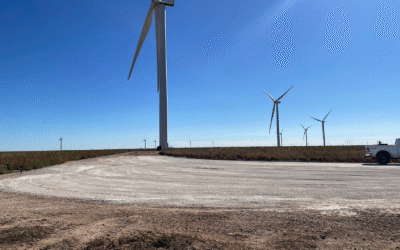
Since 2025, the U.S. Department of Commerce has opened a series of Section 232 national security investigations covering the components that make up modern renewable energy infrastructure: wind turbines and their parts, polysilicon used in solar manufacturing, and processed critical minerals that feed battery and storage technology. Each of these investigations can result in new tariffs, quotas, or other import restrictions -and each is still working through its review process, with outcomes that could shift quickly and with limited advance notice.
For developers, EPCs, and asset owners, the practical question isn’t whether these rulings matter, it’s how to plan around uncertainty that hasn’t resolved yet.
Why timing now matters more than usual
In past cycles, developers could largely treat procurement and logistics as separate workstreams from trade policy. That’s no longer a safe assumption. When equipment is still overseas, at the moment, a ruling takes effect, a project can absorb cost increases, delays, or both – often with little room to adjust once the equipment is already in transit or committed to a shipping schedule.
The projects best positioned to absorb this uncertainty are the ones that have already decoupled procurement timing from construction timing bringing equipment onto U.S. soil ahead of a final ruling, rather than treating “just in time” delivery as the default. That shift doesn’t eliminate the underlying policy risk, but it does convert an open-ended timeline risk into a much more manageable warehousing and inventory question.
The logistics problem hiding inside the policy problem
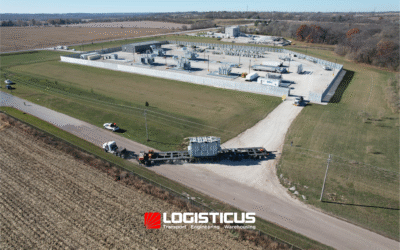
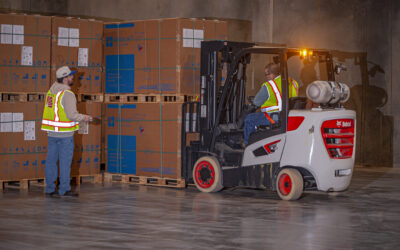
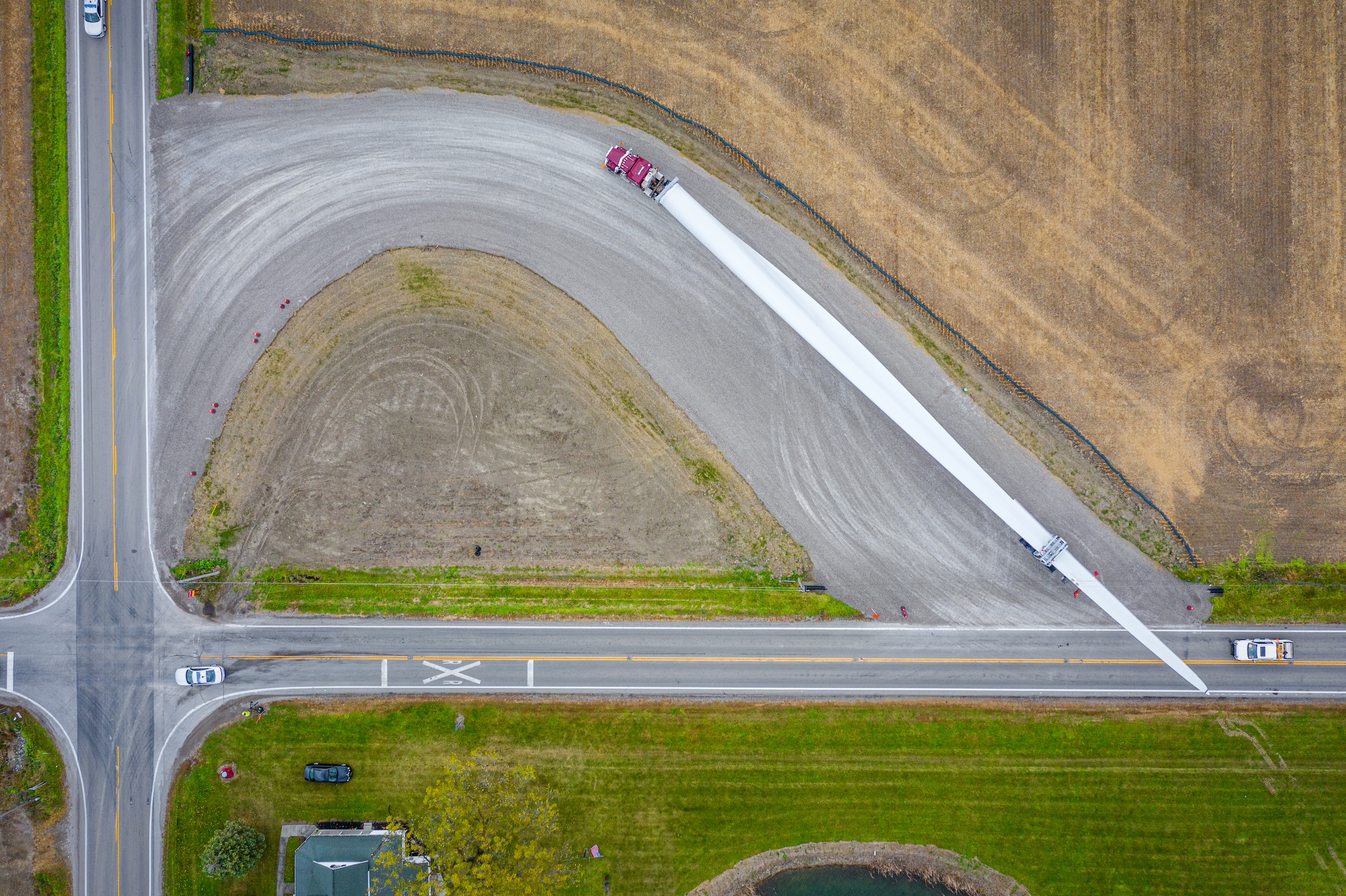
Importing early only solves half the equation. Wind, Solar, and BESS equipment isn’t easy to store – it requires specialized indoor and outdoor space, equipment handling capability, and inventory systems built around components that don’t behave like standard freight. A laydown yard designed for palletized goods isn’t built for turbine blades, transformers, or containerized battery racks.
This is where engineering-led logistics planning becomes a differentiator rather than a back-office function. The developers navigating this period most effectively are treating warehousing and transport as part of the project engineering conversation from the start – not as a downstream vendor decision made after equipment has already landed.
At Logisticus Group, this is the exact intersection we operate in: over 6.2 million square feet of specialized indoor and outdoor warehousing under management, end-to-end engineering, transport, and laydown yard solutions, and turnkey inventory management built specifically for oversized wind, solar, and BESS equipment. We work with developers as a renewable energy infrastructure partner, not a generalist warehouse provider because the equipment, the sequencing, and the risk profile in this industry don’t look like anyone else’s supply chain.
The takeaway
Section 232 outcomes remain unresolved, and there’s no way to fully de-risk a project against a ruling that hasn’t been issued yet. But there is a way to make sure that ruling, whenever it lands, becomes a cost conversation instead of a schedule crisis: get equipment in the country early, and have the right infrastructure ready to receive it.
That’s the strategic shift underway across the industry right now and it’s one worth planning for before capacity, not policy, becomes the constraint.