Utility-scale solar projects increasingly rely on global supply chains. Modules, trackers, inverters, and electrical components often originate from different regions — and arrive in the U.S. through different ports.
While this diversification helps mitigate supply risk, it introduces a complex logistics challenge that many teams underestimate: multi-port coordination.
Why Multi-Port Strategies Are Increasing
Several factors are driving developers to route shipments through multiple ports:
- Avoiding congestion at major gateways
- Diversifying supply chain risk
- Supplier shipping preferences
- Tariff considerations
- Vessel scheduling availability
- Regional proximity to project sites
Instead of one consolidated arrival stream, projects now receive staggered shipments across several coastal and inland ports.
The Coordination Problem
When shipments arrive at different locations and times, maintaining construction sequencing becomes far more difficult.
Key risks include:
Mismatched Delivery Timing
- Critical components may arrive weeks apart, preventing installation from progressing.
Fragmented Transportation Planning
- Separate trucking arrangements from each port can increase cost and reduce efficiency.
Inconsistent Handling Standards
- Different ports and carriers may have varying procedures, increasing the risk of damage or delays.
Limited Visibility
- Without centralized tracking, project teams may struggle to understand what equipment is where — and when it will arrive on site.
Why Port-to-Site Planning Isn’t Enough
Simply moving cargo from each port directly to the project site often creates chaos. Sites become overwhelmed with partial deliveries, while missing components stall installation crews.
A more effective approach involves coordinating inbound flows before materials reach the site.
Centralized Consolidation as a Solution
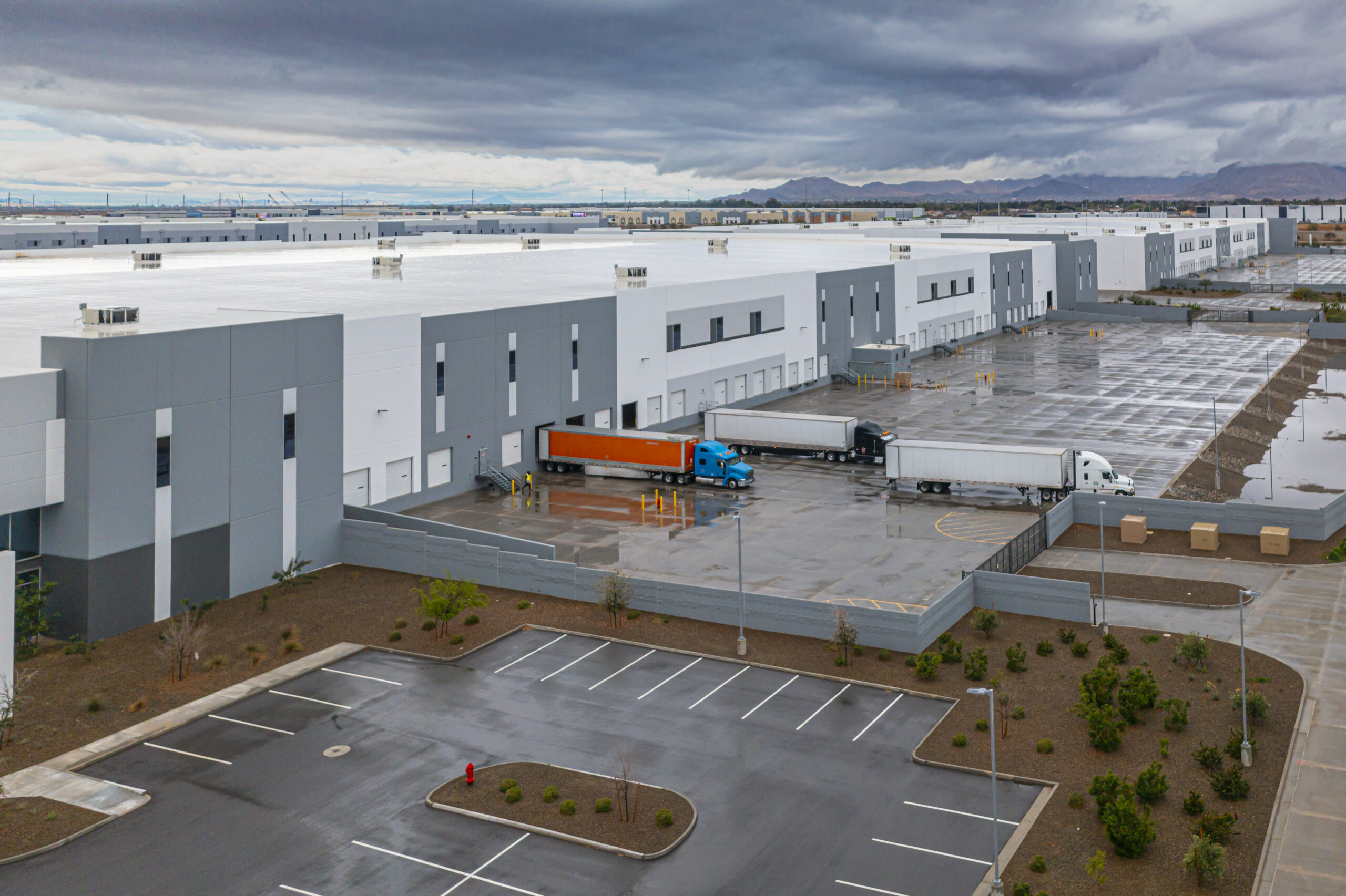
Forward-thinking logistics strategies use intermediate facilities to unify shipments from multiple ports before final delivery.
This enables:
- Synchronization of component arrivals
- Inspection and inventory verification
- Damage identification before site delivery
- Sequenced outbound shipments aligned with construction schedules
- Reduced site congestion
In effect, consolidation transforms fragmented supply streams into a controlled pipeline.
The Importance of Real-Time Visibility
Modern solar projects require more physical coordination. Stakeholders need clear, real-time insight into shipment status across all ports and transportation modes.
Visibility supports:
- Accurate project scheduling
- Proactive problem resolution
- Better communication among developers, EPCs, and suppliers
- Reduced risk of costly surprises
Building Resilience Into Solar Supply Chains
Multi-port sourcing is likely to remain the norm as global supply chains evolve. Rather than viewing it as a complication, successful projects treat it as a planning requirement.
By integrating transportation, storage, and coordination across entry points, developers can turn complexity into reliability.
In large-scale solar construction, logistics is no longer just about moving cargo — it’s about orchestrating a synchronized flow of equipment from factory to field.