For years, renewable energy logistics was treated as a supporting role—an operational necessity that kicked in once projects were approved and equipment was ready to move.
That model no longer works.
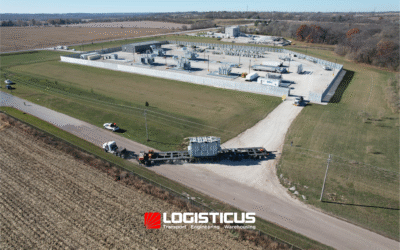
As renewable energy projects grow in size, complexity, and urgency, logistics has evolved into project-critical infrastructure. Today, how equipment is stored, staged, transported, and tracked can directly impact timelines, costs, and long-term project success.
Across solar, wind, and energy storage, the logistics landscape is changing fast. Here’s what’s driving that shift—and why it matters.
Solar and Storage Are Reshaping Freight Requirements
Utility-scale solar projects rarely stand alone anymore. Energy storage is now part of the conversation from the start.
This shift introduces:
- Heavier and more complex components
- Mixed freight profiles that include oversized, fragile, and regulated materials
- Greater coordination between ports, warehouses, and final delivery sites
Logistics planning must now account for how multiple technologies move together—not sequentially. The result is a growing demand for integrated logistics strategies that reduce handoffs and minimize risk.
Warehousing Has Become a Strategic Tool
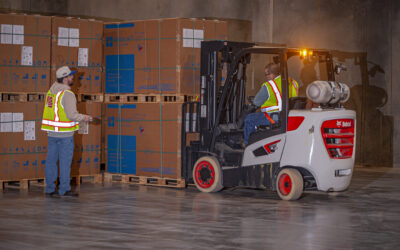
Warehousing used to be viewed as a stopgap—temporary space between delivery and installation. Today, it plays a much larger role.
Developers are increasingly using warehouses to:
- Support tax-credit and safe-harbor timelines
- Stage large-scale projects over extended periods
- Protect high-value components from damage and exposure
- Manage inventory visibility across multiple sites
The emphasis has shifted from “how much space is available” to how well that space supports the project lifecycle. Location, layout, security, and energy readiness all matter.
Wind Projects Are Driven by Engineering Reality
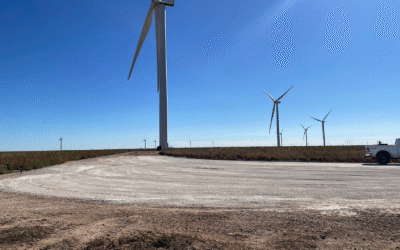
Wind turbines continue to grow in size, and logistics plans must keep pace.
Transporting modern wind components often requires:
- Route Feasibility studies
- Bridge and civil analysis
- Temporary infrastructure modifications
- Coordination across multiple jurisdictions
In many cases, logistics feasibility determines whether a project can move forward at all. Wind logistics today is less about capacity and more about engineering, planning, and execution.
Breakbulk and Project Cargo Are Accelerating
Renewable energy is one of the largest contributors to the growth of breakbulk and project cargo worldwide.
As components exceed standard container dimensions, ports and logistics providers must be equipped to handle:
- Specialized lifting and handling
- Secure staging of oversized equipment
- Tight scheduling aligned with construction phases
The ability to safely manage non-containerized freight has become a competitive advantage in renewable energy development.
“Just-in-Time” Has Given Way to “Just-in-Case”
While supply chains have stabilized since the disruptions of the early 2020s, logistics strategies have permanently changed.
Many developers now:
- Hold inventory longer
- Pre-position components closer to project sites
- Lock in transportation and warehousing earlier in the planning cycle
Flexibility has replaced speed as the priority. Logistics partners must be prepared to adapt as project scopes and timelines shift.
Technology Is Now a Baseline Expectation
As projects scale, visibility becomes essential.
Modern renewable energy logistics relies on:
- Real-time shipment tracking
- Route modeling and feasibility tools
- Inventory management systems
- Data-driven reporting across stakeholders
Customers no longer want updates—they expect insight. Transparency and accountability are now part of the service standard.
The Bigger Picture
Renewable energy logistics has moved beyond transportation support. It is now a strategic enabler of growth.
The companies best positioned for the future are those that:
- Plan for complexity instead of reacting to it
- Integrate warehousing, transportation, and engineering
- Understand how logistics decisions affect long-term project outcomes
As the energy transition accelerates, logistics won’t just keep projects moving—it will help determine which projects succeed.