How Logisticus Group Is Supporting the Next Phase of Renewable Energy Projects
Solar logistics is no longer a single-lane operation.
As renewable developers push for greater reliability and grid stability, solar-plus-storage projects are becoming the standard. That shift is transforming how freight moves—and raising the bar for logistics partners supporting these projects.
At Logisticus Group, we’re seeing firsthand how solar combined with battery energy storage systems (BESS) is changing the scale, complexity, and coordination required across renewable energy logistics.
Heavier Components Are Redefining Solar Freight
Traditional solar projects were largely defined by high-volume, lower-weight components. Solar-plus-storage changes that equation entirely.
Today’s projects often include:
- Fully loaded BESS containers
- Large inverters and transformers
- High-density electrical equipment with concentrated weight loads
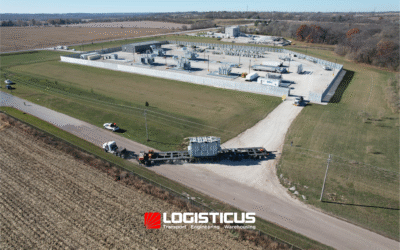
These components require more than standard flatbed moves. They demand engineered transportation solutions, detailed route analysis, and equipment selected specifically for heavy, high-value cargo.
Logisticus supports these movements through a combination of specialized transportation planning, route feasibility analysis, and engineered load strategies designed to reduce risk and keep projects moving on schedule.
Mixed Freight Profiles Require Strategic Coordination
Solar-plus-storage projects rarely move in neat phases. Instead, they involve multiple freight types moving concurrently—each with unique handling and delivery requirements.
A single project may involve:
- Fragile solar modules requiring controlled handling
- Oversized racking or steel structures
- BESS containers with hazmat-adjacent considerations
- Time-sensitive deliveries tied to construction milestones
Logisticus approaches these projects with a coordinated logistics strategy—aligning transportation, staging, and delivery sequencing so components arrive in the right order, at the right time, and in the right condition.
Warehousing and Staging Are No Longer Optional
As project timelines stretch and tax credit considerations come into play, storage has become a critical part of renewable logistics—not an afterthought.
Many solar-plus-storage projects now require:
- Short-term staging near ports or project sites
- Long-term storage to align with safe-harbor requirements
- Secure indoor and outdoor storage for high-value equipment
- Flexibility to release freight in phases as sites become ready
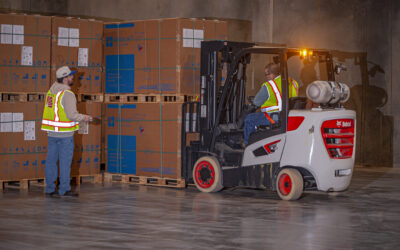
With strategically located warehousing across key renewable markets, Logisticus provides solar-ready storage solutions that support both immediate project needs and long-term planning.
From Port to Site, Integration Is Key
One of the biggest challenges in solar-plus-storage logistics is coordination across the full supply chain.
Delays at the port, congestion at jobsites, or misaligned delivery windows can ripple across an entire project. Logisticus addresses this by managing logistics as a connected system—linking port drayage, warehousing, transportation, and final delivery under a unified plan.
This integrated approach helps reduce downtime, improve visibility, and give developers and EPCs confidence that logistics will support—not slow—project execution.
The Logisticus Perspective
Solar-plus-storage isn’t just a trend—it’s a structural shift in how renewable energy projects are built.
As freight becomes heavier, timelines longer, and coordination more complex, logistics must evolve alongside the industry. At Logisticus Group, we view logistics as a strategic partner in project success, offering the transportation, warehousing, and engineering expertise needed to support the next generation of renewable energy infrastructure.
The future of clean energy is integrated—and so is the logistics behind it.