As the renewable energy sector continues to scale, the components required to build solar and wind projects are becoming larger, heavier, and more complex. With these changes, a new warehousing trend is emerging—the strategic use of mixed indoor and outdoor storage for large, high-wattage componentry.
The Rise of Mixed Storage Solutions
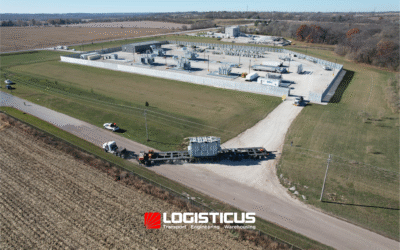
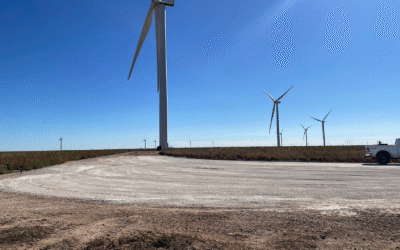
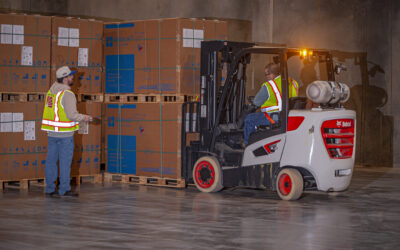
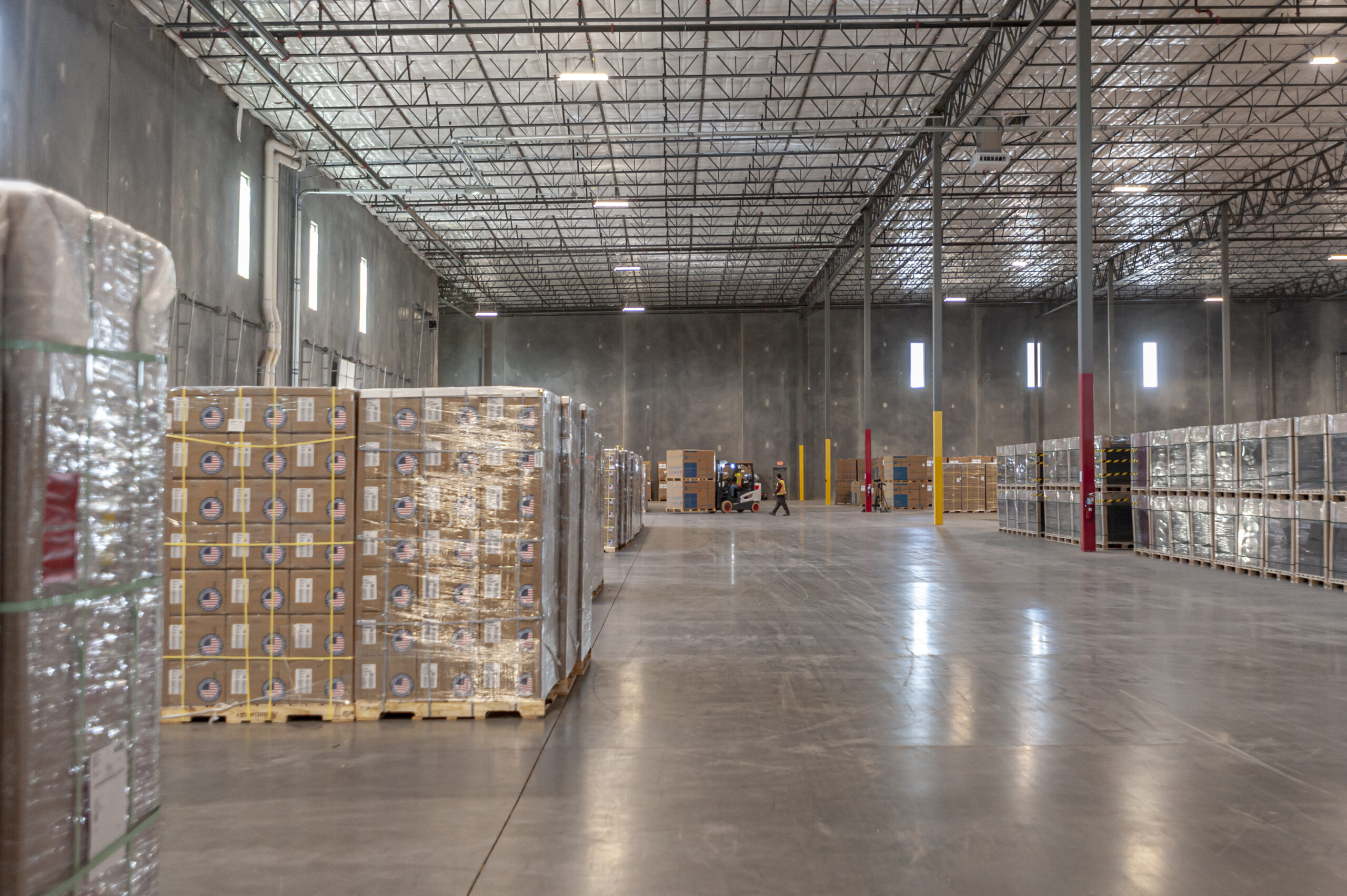
Traditionally, warehousing has been divided into two clear categories: indoor storage for sensitive materials and outdoor storage for oversized or weather-resistant items. However, today’s renewable energy projects often require a hybrid approach. Components like inverters, nacelles, and switchgear may need to be partially housed indoors for protection and partially staged outdoors for accessibility during transport and assembly.
By combining indoor and outdoor storage, project developers and EPCs can better balance protection, space efficiency, and cost. This flexibility also enables faster response times when components need to move from storage to site—especially when transportation and warehousing operations are coordinated under one strategic plan.
Where Transportation Meets Warehousing
This evolution naturally blurs the lines between Transportation and Warehousing segments. As components are staged outdoors or in mixed-use facilities, the transition from storage to transport becomes more seamless. This integrated approach allows for improved scheduling, reduced handling, and lower risk of damage—all while optimizing overall project timelines.
At Logisticus Group, we’re seeing more clients take advantage of this synergy, leveraging our expertise across both disciplines to design custom solutions based on their delivery schedules, environmental conditions, and cost goals.
The Logisticus Advantage
When faced with a complex logistical challenge, Logisticus delivers what we always have: the most sensible, cost-effective solution for our customers. Whether it’s a mixed-use storage yard for oversized turbine hubs or a multi-phase warehouse layout that supports just-in-time transport, our team ensures every component is positioned for success—literally and strategically.
As renewable projects grow in scale and sophistication, the ability to adapt warehousing and transportation strategies will continue to define project efficiency. And at LPG, we’re proud to help lead that evolution.