Battery Energy Storage Systems (BESS) are transforming how energy is delivered, stored, and used. But behind every successful BESS installation is something less visible—and far more complex: Engineering.
From the moment components arrive at port to the final installation at site, BESS projects require precise coordination across transportation, infrastructure, and technical design.
Step 1: Engineering Starts Before the First Shipment
BESS components are not plug-and-play.
They are:
- Oversized
- Heavy (often tens or hundreds of thousands of pounds)
- Sensitive and high-value
That means engineering begins long before transportation.
Key considerations include:
- Port handling capabilities – Ingress and Egress layout of the port
- Transportation mode selection (rail vs. road vs. multimodal)
- Route restrictions and escort requirements
- Local and state permitting timelines
Without early engineering involvement, projects can stall before they even begin.
Step 2: Route Feasibility Is Critical
One of the most overlooked aspects of BESS deployment is route engineering. It’s not just about getting from Point A to Point B—it’s about determining if that path is even possible.
Engineering teams must evaluate:
- Bridge capacities and structural limits
- Road structure and turning radii
- Overhead obstructions (power lines, signage, utilities)
- Construction zones and seasonal conditions
Advanced tools like LiDAR and CAD-based sweep analysis are essential to ensure safe, compliant transport.
Step 3: Site Engineering & Staging
Once components arrive near the site, the engineering challenge shifts again.
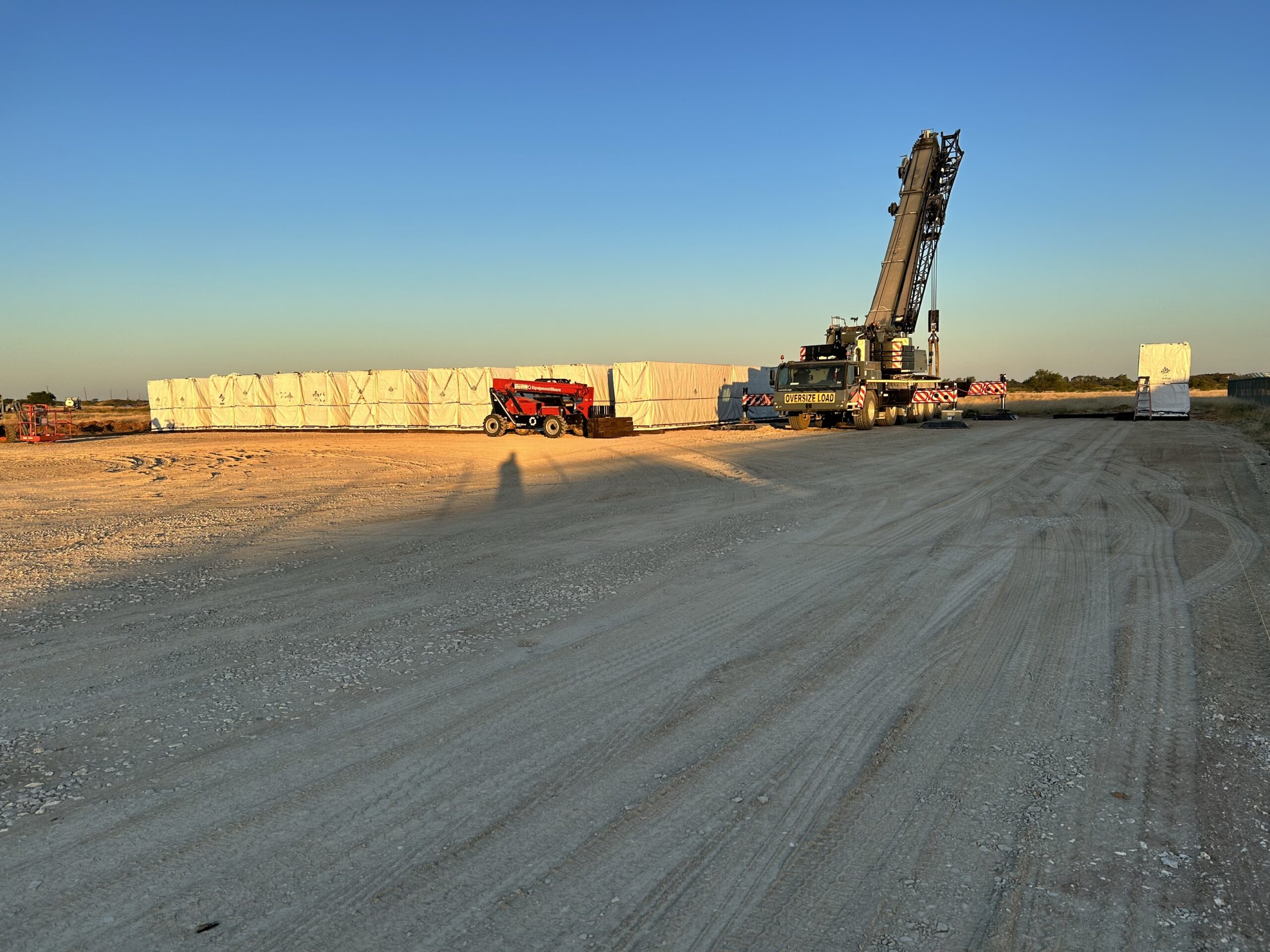
BESS sites require:
- Precise placement of battery containers and equipment
- Crane planning and lift engineering
- Ground condition analysis
- Coordination with civil and electrical contractors
- Our Safety, Government Relations and Engineering teams identify a compliant site and develop a CAD layout to meet strict fire code, international fire code and NFPA requirements
Even minor miscalculations at this stage can lead to:
- Costly rework
- Schedule delays
- Safety risks
Step 4: Safety and Compliance at Every Step
BESS projects introduce unique safety challenges.
These systems involve:
- High-voltage electrical components
- Thermal management systems
- Fire suppression requirements
Engineering teams must ensure compliance with:
- Local and federal regulations
- Environmental standards
- Industry-specific safety protocols
This isn’t optional—it’s critical.
How Logisticus Delivers
Logisticus Group approaches BESS differently. Instead of treating it as a logistics project, they treat it as an engineering project with logistics execution.
That means:
- Early-stage engineering involvement
- Integrated planning across transport, warehousing, and site delivery
- Real-time coordination with project stakeholders
- Proven experience moving complex renewable energy components
Why This Matters Now
The global push toward renewable energy is accelerating.
And BESS is at the center of it—enabling:
- Grid stability
- Renewable integration
- Energy independence
But as demand grows, so does project complexity. The companies that will lead this transition are the ones who can engineer certainty into every step of the process. BESS projects don’t fail because of technology. They fail because of execution. And execution starts with engineering.